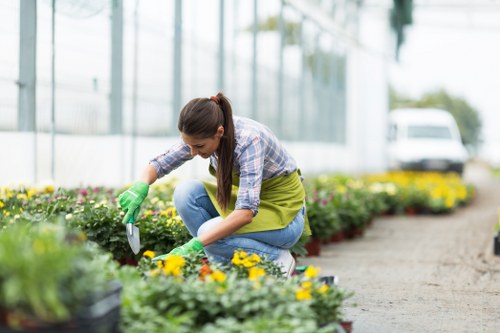
Garden Maintenance Barbican: Recycling and Sustainability
Our approach to Garden Maintenance Barbican blends practical gardening care with an unwavering commitment to an eco-friendly waste disposal area and a truly sustainable rubbish gardening area. We deliver garden maintenance in Barbican that minimises landfill, maximises reuse and integrates borough-led separation policies. Every site we manage is treated as a resource hub where green waste, timber, soil, and recyclable materials are separated, tracked and either remanufactured into soil improvers or diverted to partner organisations for reuse. This page explains targets, logistics, partnerships and the low-carbon transport that supports our services.Our Recycling Percentage Target and What It Means
We set a clear, measurable recycling percentage target to drive continuous improvement across Barbican garden maintenance projects. Our current goal is a 70% recycling and reuse rate by 2028 across all horticultural waste streams — including garden arisings, pots and hard landscaping materials. That target covers collection, on-site segregation and onward processing and is aligned with local borough ambitions to reduce organics in residual waste and to improve circular use of landscaping materials.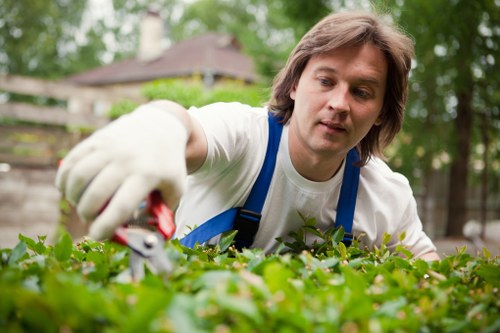 How we achieve this target: we implement site-specific segregation points; provide clear labelling and training; and report monthly on tonnes diverted. We follow the City and neighbouring boroughs’ approach to waste separation — paper/card, glass, mixed recycling, food and garden organics are kept distinct where practical. Our teams are trained in correct sorting to support local transfer stations and municipal collection streams.
Local Transfer Stations and Strategic Routes
We coordinate collections with licensed local transfer stations and Materials Recovery Facilities (MRFs) within London borough networks to ensure materials are processed correctly. Typical routing involves short-haul transfers to nearby stations in the City of London and neighbouring boroughs, keeping transport emissions low and turnaround times short. Where borough services accept garden waste separately, we deliver directly into those streams; where municipal constraints exist we route organic arisings to certified composting sites that meet environmental standards. Partnerships with charities and social enterprises form a cornerstone of our reuse strategy. We work with organisations such as Groundwork London, The Conservation Volunteers (TCV) and local community gardens to donate reusable materials: intact paving, reclaimed timber, planters and surplus topsoil are offered first to charitable projects. These collaborations help keep perfectly usable resources in circulation and support local food growing, biodiversity projects and community planting initiatives in the Barbican and surrounding neighbourhoods.
To formalise reuse pathways we maintain agreements for scheduled drop-offs and ad-hoc collections. Strong relationships with social enterprises ensure that materials unsuitable for municipal recycling — such as slightly weathered timber or broken pots — are repurposed into raised beds, edging or craft materials instead of being landfilled.
Within each garden maintenance visit we establish a clear, labelled station for recyclable and non-recyclable waste, using colour-coded sacks or bins that mirror local borough schemes. Our crews complete a simple checklist: segregate green waste, remove contaminants, bag or box mixed recyclables and document hazardous items (e.g., treated timber) for specialist disposal. Practical steps include:
- Separate green waste for composting;
- Collect clean plastic pots, trays and packaging for recycling;
- Sort timber into untreated (for chipping/compost) and treated (for licensed disposal).
 Low-carbon vans and sustainable logistics are integral to delivering Barbican garden maintenance with a smaller carbon footprint. Our fleet now includes electric and low-emission hybrid vans for standard runs and a selection of cargo bikes for inner-city drop-offs and small collections. Route planning software minimises mileage, consolidates loads for transfer stations and prioritises low-traffic times to reduce idling. We routinely assess vehicle emissions and aim to transition to a fully electric fleet where charging infrastructure permits.
 In addition to vehicles, we invest in lightweight, fuel-efficient equipment and battery-powered tools to reduce onsite emissions and noise. These choices support quieter, cleaner operations in dense urban spaces like the Barbican while also lowering operating costs and improving air quality for residents and workers.
Measuring performance and transparency is part of our commitment to sustainable garden maintenance in Barbican. We track tonnes diverted, recycling percentages and transport emissions and report internally against key performance indicators. Regular audits ensure materials reach their intended processing facilities and that contamination rates are minimised. This data helps refine practices, whether adjusting segregation bins, modifying route patterns or strengthening charity partnerships to handle surplus materials more effectively.
Community engagement is also central: we work with estate managers and local residents to explain the boroughs’ approach to waste separation and to promote behaviours that make garden recycling simpler and more effective. Workshops and short site briefings help demystify what can be recycled and where, increasing participation in recycling schemes and supporting our overall sustainability goals.
In summary, our Barbican garden maintenance services prioritize an eco-friendly waste disposal area and a sustainable rubbish gardening area through clear targets, local transfer station coordination, charity partnerships, and a low-carbon fleet. By combining on-site discipline, strong external relationships and investment in cleaner transport and tools, we aim to deliver measurable, long-term reductions in landfill and carbon across every project.