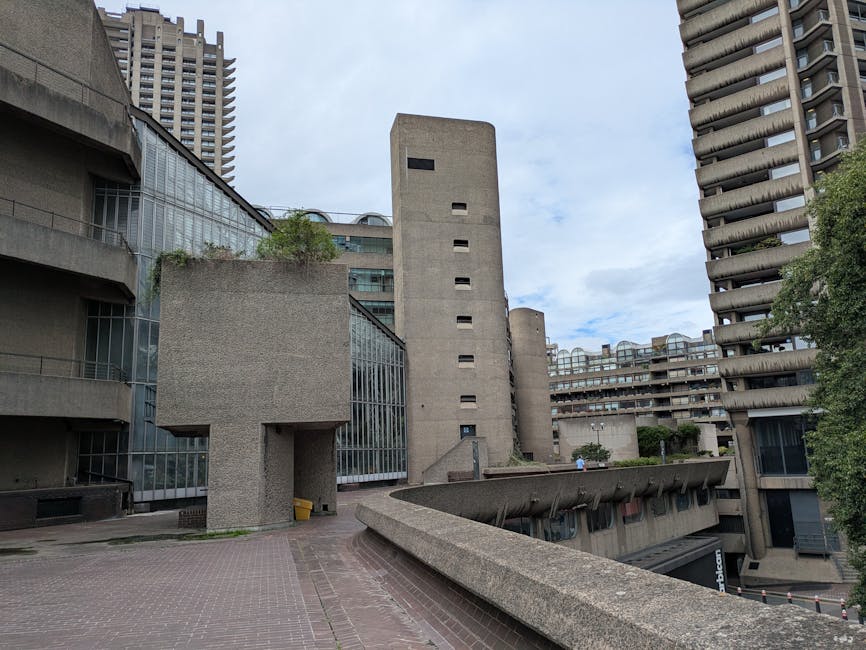
Same day gardeners for urgent rooftop garden problems Barbican

Rooftop gardens are brilliant until they are not. One gusty evening, a loose planter, a blocked drain, or a patch of wind-damaged planting can turn into a proper headache fast. If you are searching for same day gardeners for urgent rooftop garden problems Barbican, you are probably dealing with something that needs calm, quick action rather than a long back-and-forth. This guide explains what urgent rooftop garden help looks like, what can usually be fixed on the day, how the process works, and how to choose the right help without making the problem worse.
Truth be told, rooftop spaces are less forgiving than ground-level gardens. Water sits where it should not, wind behaves differently above street level, and access can be awkward. The good news? A responsive gardener with the right approach can often stabilise the situation quickly and safely. Let's get into the practical stuff.
Why same day gardeners for urgent rooftop garden problems Barbican matters
Rooftop gardens do not fail quietly. When something goes wrong, you often notice it quickly: water pooling near the door, plants collapsing after a windy spell, soil washing across paving, or a planter shifting and making the whole terrace feel unsafe. In a dense area like Barbican, where rooftops and balconies are often part of a shared building or carefully managed private space, delay can mean more mess, more damage, and more stress.
Same day support matters because many rooftop problems are time-sensitive. A drain that is starting to back up can become a leak. A broken trellis can tear in stronger wind. A dead tree in a raised planter can become a falling hazard if it is left too long. And if you are hosting people, managing a rental, or simply trying to keep your home in decent shape, waiting a week can feel like an eternity.
Expert takeaway: urgent rooftop gardening is often less about "beautifying" and more about "stabilising". The best same day gardeners focus on safety, drainage, access, and immediate risk reduction first. The prettier stuff can come after.
If you are comparing providers, it helps to look beyond speed alone. A capable team should be able to explain what they will do on the day, what needs follow-up, and what is outside the scope of an emergency visit. You can also explore the broader services overview to see how urgent support fits into wider garden care.
How same day gardeners for urgent rooftop garden problems Barbican works
Most urgent garden callouts follow a fairly simple pattern, even if the problem itself looks messy. You contact the gardener, describe the issue clearly, and share a few photos if possible. That sounds obvious, but it saves time. A cracked planter, for instance, needs a different response from a wind-tossed herb bed or a blocked roof drain surrounded by debris.
Then comes triage. The gardener decides what can realistically be handled immediately, what needs specialist tools, and what should be escalated. On a rooftop, the first job is usually to reduce risk. That may mean clearing loose material, securing containers, removing dangerous branches, checking drainage, or tidying access routes so nobody slips while moving around the space.
It is not always glamorous work. Sometimes the best same day result is a clean, safe, temporary fix that stops a small issue becoming a bigger one. And honestly, that is exactly what most people need at 5pm on a rainy Thursday.
Good providers also pay attention to building constraints. Access to lifts, shared corridors, time windows for residents, noise sensitivity, and waste handling all matter. If you already know your building has particular rules, mention them at the start. A little context saves a lot of awkwardness later.
Typical same day response stages
- Initial assessment: you explain the problem, location, access, and urgency.
- On-site review: the gardener checks for hazards, drainage issues, and immediate damage.
- Stabilisation: loose debris, unsafe plants, or water-related risks are dealt with first.
- Temporary or permanent fix: depending on the problem, the team either resolves it or makes it safe until a fuller visit.
- Follow-up planning: any bigger maintenance or landscaping work is booked in for later if needed.
If the issue is part of a wider maintenance problem, a regular visit from the garden maintenance team may be the sensible next step after the urgent repair.
Key benefits and practical advantages
The biggest benefit is obvious: speed. But the real value of same day rooftop garden help is a bit broader than that. You are buying time, safety, and control. When a rooftop space starts acting up, quick intervention can protect the surfaces underneath, reduce trip hazards, and prevent plant losses from getting worse.
Another practical advantage is clarity. A good urgent visit gives you a clearer picture of what is actually going on. Sometimes a blocked planter is not just "a plant problem"; it is poor drainage, compacted soil, or debris from a storm. Same day attention can help separate a simple tidy-up from a more serious structural or design issue.
There is also peace of mind. Let's face it, it is hard to relax when you can see water creeping across a terrace or hear a planter scraping in the wind every time you open the window. Rapid support removes that background worry.
Other useful benefits include:
- Reduced risk of slips, trips, and falls on wet or cluttered surfaces
- Less chance of long-term water damage from blocked drainage
- Better protection for containers, trellises, and lightweight structures
- Quicker recovery after heavy rain, wind, or seasonal plant dieback
- More confidence when you need a rooftop garden presentable for guests, tenants, or inspections
If the issue has created a lot of debris, broken stems, or unusable plant material, a one-off garden clearance approach can be a smart follow-up. That is especially useful when the space feels half emergency room, half jungle. Not ideal, but fixable.
Who this is for and when it makes sense
This type of service is not just for people with dramatic storm damage. In fact, many urgent rooftop jobs are surprisingly ordinary. A planter has tipped. Ivy is blocking a drain. Compost has spilled across a walkway. A small tree is leaning in a way that suddenly feels a bit too confident for comfort. Those are the moments when quick help makes sense.
It is especially relevant for:
- Homeowners with private rooftop gardens
- Flat owners dealing with shared or semi-private roof terraces
- Letting agents and landlords needing prompt attention before viewings or check-ins
- Building managers responsible for common roof garden areas
- Busy residents who cannot wait for a routine slot
It also makes sense after bad weather. London wind can be sneaky up above the street, and a rooftop that looked fine yesterday can look very different this morning. If you spot broken stems, scattered mulch, or planter movement after a windy night, do not ignore it. Small things turn into bigger things, and bigger things cost more, simple as that.
For more involved reshaping or longer-term improvement, you may eventually want support from the landscape gardening or landscaping side of the service. Urgent care first, better design second. That order matters.
Step-by-step guidance
If you are trying to act quickly but sensibly, this is the best way to handle it.
1. Make the space safe before doing anything else
Do not step onto a wet, cluttered, or visibly unstable roof terrace without thinking it through. If there is standing water, loose paving, broken glass, or a damaged planter, keep clear of it. If a tree or heavy container looks unstable, give it space. A few minutes of caution can prevent a very boring, expensive accident.
2. Take a quick look and note the main issue
You do not need to diagnose everything. Just identify the obvious problem: water not draining, a plant blown over, broken fencing, debris scattered across the roof, or a branch that is touching a wall or window. Photos help. A short video can help too, especially if the problem moves in the wind.
3. Contact a gardener and describe the urgency clearly
Be direct. Say what happened, when it happened, what the space is like, and whether access is straightforward. If the roof is shared, mention building rules or time restrictions. If you need the area presentable for later the same day, say so. It is better to be a bit blunt than to underplay the situation and get the wrong help.
4. Ask what can be done on the day
This is the point where good providers stand out. They should be honest about what is possible immediately and what needs a proper follow-up. Some issues can be stabilised straight away. Others need specialist materials, a return visit, or extra labour. That honesty is a good sign, not a bad one.
5. Prepare access and clear a route
On rooftop jobs, access is half the battle. Make sure lift access, keys, entry codes, and parking details are sorted in advance if they are needed. Move pets, children, or personal items out of the way. If you can safely do so, clear a path to the worst-affected area. It saves time and helps the gardener work without faff.
6. Let the team stabilise the problem first
Usually the first priority is hazard reduction. That may include securing loose items, clearing blocked drainage points, pruning damaged growth, or removing unstable debris. Once the urgent issue is under control, there is room to talk about appearance and longer-term improvement.
7. Follow the advice, even if it is not the prettiest option
Sometimes the best short-term solution is not the one that looks nicest. A gardener may recommend cutting back a stressed plant, removing a failing container, or leaving a section clear for drainage. That may feel a bit severe, but it is often the right call.
Expert tips for better results
There are a few small things that make a surprisingly big difference on rooftop garden callouts. First, keep your planting realistic. Roof spaces dry out faster, catch more wind, and can be harsher on roots than ground-level beds. If you are constantly dealing with broken stems or dry, sulking plants, the issue may be the setup rather than your care.
Second, think in layers. Rooftop problems often involve plants, drainage, containers, and surfaces all at once. A planter that looks fine can still hide a blocked outlet underneath. That is why experienced gardeners look under, behind, and around the obvious problem. The visible symptom is not always the real cause.
Third, choose maintenance over crisis mode where possible. Regular trimming, seasonal tidy-ups, and timely debris removal reduce the odds of emergency callouts. A bit of planned work can save you from one of those "why is the terrace suddenly a mess?" moments on a Sunday morning.
Practical tip: if your rooftop includes larger shrubs or small trees, occasional support and selective pruning are not optional. In windy spots, growth that looks harmless at ground level can become a nuisance or a hazard above street height.
You may also want to look at services like hedge trimming, lawn mowing where turf areas exist, or even tree lopping and removal if a larger planting has outgrown the space. Not every roof garden needs all of these, of course, but the overlap is real.
Common mistakes to avoid
One common mistake is waiting too long because the problem looks small. Rooftop issues have a habit of getting worse quietly. A trickle becomes a puddle. A leaning planter becomes a fallen planter. A tiny blockage becomes a proper drainage headache. You know how it goes.
Another mistake is trying to fix everything yourself without checking the access and load implications. Rooftops are not the place for guesswork. Heavy containers, unstable surfaces, and awkward angles make DIY a bit more dangerous than it first appears. If something feels off, step back.
People also underestimate how much debris matters. Leaves, twigs, old compost, and broken stems can all clog drainage or create slippery patches. On a roof, "a bit of mess" is rarely just a bit of mess. It is usually a warning sign.
Other mistakes worth avoiding:
- Ignoring visible cracks in containers or paving
- Leaving water to sit because it "might drain later"
- Using the wrong tools and damaging waterproofing layers
- Overwatering plants after a weather-related incident
- Forgetting to check whether the issue affects neighbours or shared areas
If there is a lot of cut material or general clutter to shift after the emergency work, a proper tidy through garden clearance may be the cleanest next move.
Tools, resources and recommendations
For same day work, the right tools depend on the exact problem. There is no magic kit that solves every rooftop issue, and anyone pretending otherwise is probably trying too hard. Still, some items come up again and again:
- Lightweight cutting tools for damaged stems and overgrowth
- Rakes, brooms, and debris bags for clearing loose material
- Containers or straps for stabilising plants and planters
- Hand tools for checking blocked surface drainage points
- Protective gloves and footwear with good grip
- Wheelbarrows or transport aids suitable for access constraints
Useful recommendations are less about gadgets and more about habits. Keep a simple note of when your roof garden was last checked. Photograph the space after heavy weather. Store spare ties, labels, and basic replacement materials where you can reach them. It sounds dull, but dull is good when a storm has just passed.
If you want a broader view of how a garden service team supports long-term care, the about us page and services overview can help you understand the style of support offered. For practical next steps and pricing expectations, the pricing and quotes page is a sensible place to look.
Law, compliance, standards and best practice
Rooftop garden work sits in a slightly more careful category than a normal front garden tidy-up. Access, fall risk, shared buildings, and waterproofing all raise the stakes. Good practice in the UK usually means working safely, respecting property rules, and avoiding actions that might damage the roof membrane or drainage layers.
That does not mean every urgent garden callout is heavily regulated in the same way as major building works. It does mean the team should act responsibly, use suitable equipment, and take sensible precautions. If a task is beyond ordinary garden maintenance, it should be treated as such. No bravado, no shortcuts. Roofs can be unforgiving, and there is nothing heroic about rushing.
It is also wise to think about insurance and professional care. Anyone working on or around a roof terrace should be comfortable explaining how they manage risk, especially where access is awkward or where falling debris could affect other areas. You can review the approach taken on insurance and safety and the company's health and safety policy for a clearer picture of standards.
For businesses, landlords, and managing agents, shared responsibility matters too. That means keeping communication clear, not leaving hazards unresolved, and making sure any follow-up work is booked properly. If waste needs handling, it should be dealt with in a way that is tidy and responsible. The recycling and sustainability page is useful for understanding the greener side of garden waste management.
Options, methods, or comparison table
Not every roof garden issue needs the same response. Sometimes a quick stabilisation visit is enough. Sometimes a routine maintenance appointment is better value. And sometimes a bigger design or repair discussion is the right next step. Here is a simple comparison to help you think it through.
| Option | Best for | Typical focus | When to choose it |
|---|---|---|---|
| Same day urgent visit | Sudden hazards, storm damage, blocked drainage, fallen plants | Safety, stabilisation, immediate clean-up | When the issue cannot wait |
| Routine garden maintenance | Recurring overgrowth, tidying, seasonal upkeep | Health, appearance, prevention | When the space is manageable but needs regular care |
| Garden clearance | Large amounts of debris, broken material, neglected spaces | Removal and reset | When the area needs a major clear-out |
| Landscape or planting improvement | Weak layout, poor plant choice, awkward use of space | Design and long-term usability | When the problem is structural or aesthetic rather than urgent |
There is a small but important distinction here: same day help solves the immediate problem, but it is not always the full answer. A roof garden that floods every time it rains, for example, may need more than a tidy-up. It may need a design review, improved drainage attention, or better plant selection. That is where broader support such as landscape gardening becomes useful.
Case study or real-world example
Here is a realistic example from the kind of situation rooftop gardeners see all the time. A resident notices, on a wet morning after a windy night, that one side of the terrace is holding water and two planters have shifted slightly. Nothing dramatic. No cinematic disaster. Just enough to make the space feel wrong.
The response starts with a same day visit. The gardener checks access, confirms the affected area, and moves loose material away from the drainage point. One planter is drained and repositioned. The surrounding debris is cleared. A damaged plant is cut back to reduce strain, and the terrace is left safe for walking. The immediate problem is stabilised within the visit, but the underlying issue turns out to be a mix of surface debris and a layout that traps water in one corner.
That is the real value of urgent help. The visible mess gets handled, yes, but you also learn what caused it. Without that, you could easily tidy the same corner three times and still not solve anything.
In a second, slightly less dramatic case, a building manager calls because a small rooftop tree has suffered wind damage and a few branches are hanging awkwardly near a shared walkway. The job is dealt with as a safety-first pruning task, then followed up later with a more considered tree care plan. Not glamorous, but absolutely the right order of operations.
Practical checklist
Use this quick checklist if you are trying to decide what to do right now.
- Check whether anyone could slip, trip, or fall in the affected area
- Look for standing water, blocked drainage, or visible runoff
- Take photos of the problem before moving anything
- Note whether the issue started after wind, rain, or heavy use
- Clear a safe path for access if you can do so without risk
- Keep children, pets, and guests away from unstable items
- Gather any building access details in advance
- Ask what can be fixed immediately and what needs follow-up
- Confirm whether waste removal is included or separate
- Plan routine maintenance after the urgent issue is handled
Quick reality check: if the space looks worse than you expected once you start looking properly, that is normal. Rooftop problems hide under the surface more often than people think.
Conclusion
Same day gardeners for urgent rooftop garden problems in Barbican are there for the moments when waiting is not sensible. Whether the issue is storm damage, blocked drainage, unstable planters, or a terrace that simply needs calming down, the aim is to make the space safe, tidy, and workable again without fuss.
The best results usually come from clear communication, quick assessment, and a practical mindset. If you know what you are looking at, act early, and choose a team that understands rooftop conditions, you give yourself the best chance of avoiding a bigger repair later. And honestly, that peace of mind is worth a lot.
If your rooftop garden needs urgent attention, start with the basics: describe the issue clearly, send photos if you can, and ask what can be done on the same day. For trusted service information, see the contact us page, or explore the team's service options to understand the next sensible step.
Get a free quote today and see how much you can save.
Some problems really do need a quick pair of hands, and a calm one at that. Sort the urgent bit now, then let the rooftop breathe again.
Frequently Asked Questions
What counts as an urgent rooftop garden problem?
An urgent problem is anything that could cause injury, water damage, or rapid plant loss if left alone. Common examples include blocked drainage, loose planters, storm damage, and fallen branches.
Can same day gardeners really help on the day?
Yes, often they can. The visit may focus on stabilising the problem rather than finishing a full redesign. That still makes a big difference, especially on a rooftop where hazards can escalate quickly.
What should I send before the gardener arrives?
Photos, a short description of the issue, access details, and any building restrictions are usually enough. If the space is shared, mention that too. It saves a lot of back-and-forth.
Are rooftop gardens more difficult than normal gardens?
Usually, yes. Wind exposure, drainage sensitivity, access limits, and the need to protect surfaces make rooftop work more delicate than a standard garden visit.
Will the gardener remove waste after clearing the problem?
Sometimes yes, sometimes as a separate part of the service. It is worth asking upfront so you know whether debris, cuttings, or broken material will be taken away or left bundled for later collection.
What if the problem is partly a design issue, not just an emergency?
Then the same day visit can still help by dealing with the immediate risk. After that, a longer-term improvement plan may be needed, especially if drainage, layout, or planting choices are contributing to the issue.
Is it safe to go onto a wet rooftop garden myself?
Not always. Wet surfaces, hidden edges, and unstable containers can make rooftop access risky. If there is standing water or visible movement in planters or paving, it is better to wait for professional help.
How do I know if I need garden clearance instead of maintenance?
If the space is overwhelmed by debris, dead growth, broken pots, or years of clutter, clearance may be the better starting point. If the garden is basically fine but just neglected, regular maintenance may be enough.
Can same day work include pruning or tree removal?
Yes, if the issue involves unstable or damaged growth and the work is safe to complete. Larger jobs may need a follow-up, especially where access is limited or the plant is awkwardly placed.
What is the best way to avoid future rooftop garden emergencies?
Regular checks, seasonal tidying, sensible planting choices, and prompt attention after strong wind or heavy rain all help. A little maintenance goes a long way on rooftops. It really does.
How do I get a price without wasting time?
Give a clear description of the problem, mention the size of the space, and send photos. For general guidance, the pricing and quotes page is a useful starting point.
Why choose a local Barbican-focused service?
Local knowledge helps with access, building expectations, and the realities of city roof spaces. In a place like Barbican, details matter: shared access, tight logistics, and weather exposure can all affect how quickly a garden issue is handled.