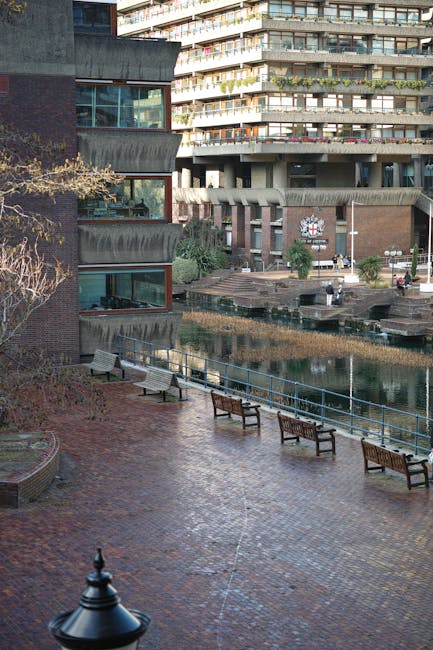
Best gardeners near Barbican Centre and Silk Street: how to choose a dependable local team
If you live, work, or manage a property near Barbican Centre and Silk Street, you already know the setting is a bit different from a typical suburban garden job. Space can be tight, access can be awkward, planters may be exposed to wind, and small outdoor areas often need more careful upkeep than people expect. That is exactly why finding the best gardeners near Barbican Centre and Silk Street is not just about who can cut a hedge. It is about choosing a team that understands city gardens, shared access, regular maintenance, and the kind of tidy, reliable finish that makes a small space feel properly looked after.
This guide walks through what to look for, how local garden maintenance usually works, what services matter most, and how to avoid paying for work you do not really need. Truth be told, a lot of garden problems in central London are less about drama and more about consistency. Miss a few weeks here and there, and suddenly the whole place feels tired.
Whether you need lawn care, hedge trimming, clearance, or a more structured maintenance plan, this article will help you make a sensible decision without the fluff.
Table of Contents
- Why this matters in the Barbican and Silk Street area
- How local garden services usually work
- Key benefits and practical advantages
- Who this is for
- Step-by-step guidance
- Expert tips for better results
- Common mistakes to avoid
- Tools, resources and recommendations
- Law, compliance, standards, or best practice
- Options and comparison table
- Case study or real-world example
- Practical checklist
- Conclusion
- Frequently asked questions
Why Best gardeners near Barbican Centre and Silk Street Matters
Gardening around the Barbican and Silk Street is not the same as maintaining a big detached-house lawn. The environment is urban, often elevated or enclosed, and many outdoor spaces are designed more for visual impact than for easy upkeep. That changes the job completely. A good gardener has to work neatly, communicate clearly, and know how to keep the space attractive without overworking it.
In an area like this, the quality of outdoor presentation can affect everyday life more than people realise. A tidy terrace, planter bed, or communal courtyard often sets the tone for the whole building. You see it the moment you step outside in the morning: fresh edges, clean surfaces, healthy planting, and no clutter. It just feels calmer.
The best gardeners near Barbican Centre and Silk Street also understand practical constraints. Access times may be limited, waste removal has to be managed carefully, and the work may need to fit around residents, office occupants, or building management. A gardener who gets that saves you headaches later. No one wants a team turning up unprepared, dragging soil through a clean entrance, or discovering halfway through that they cannot get equipment where it needs to go. Bit of a nightmare, really.
If you are comparing providers, remember that the "best" option is not always the biggest company or the cheapest quote. It is the one that matches your space, your schedule, and the level of finish you expect.
How Best gardeners near Barbican Centre and Silk Street Works
Most professional garden services start with a simple assessment. That might be a phone discussion, a site visit, or photos if the job is straightforward. The aim is to understand the size of the area, the condition of the planting, how often the garden needs attention, and whether the work is routine maintenance or a one-off reset.
For many local properties, the work falls into a few common categories. Routine care may include mowing, hedge trimming, weeding, pruning, and general tidying. Heavier jobs might involve garden clearance, overgrown shrubs, or preparing a space for a redesign. If the area includes timber features or seating, there may also be demand for decking services as part of the wider upkeep plan.
A good gardener will usually explain what is included, what is not, and how often the work should be repeated. That clarity matters. For example, a weekly visit to keep communal planting neat is very different from a one-off spring tidy-up. If you are unclear on the brief, the result can be patchy, and patchy is never ideal.
Many people also benefit from a broader maintenance package rather than booking isolated jobs. A structured garden maintenance plan can reduce the stop-start feeling that often happens in busy urban spaces. It keeps the garden moving in the right direction instead of letting it swing between overgrown and overcut.
In practice, good service tends to follow the same rhythm: assess, agree the scope, complete the work, tidy thoroughly, and leave clear notes if follow-up is needed. Simple. But not every team does it well, which is why careful selection is worth the effort.
Key Benefits and Practical Advantages
The most obvious benefit is presentation. A well-kept garden near Barbican Centre or Silk Street makes a property feel cared for, which matters whether you are welcoming residents, clients, guests, or staff. But there is more to it than appearances.
- Healthier planting: Regular pruning, feeding awareness, and correct watering routines help plants stay stronger for longer.
- Lower long-term costs: Ongoing care often prevents larger remedial work later. Let things slide and you end up paying for a bigger job than you wanted.
- Safer access: Pathways, entrances, and shared spaces stay clearer and easier to use.
- Better use of limited space: In compact city settings, every metre counts. A tidy design feels bigger.
- Less stress for property managers: One reliable point of contact is easier than juggling several ad hoc contractors.
There is also a subtle but real emotional benefit. A green, well-kept outdoor area softens the hard edges of city living. It gives the eye somewhere to rest. On a grey London afternoon, that matters more than people admit.
If you are working with shared residential areas, professional support can also reduce disputes. One person's "a bit wild" is another person's "leave it alone." A consistent maintenance plan makes those conversations much easier.
Who This Is For and When It Makes Sense
This kind of local gardening support is useful for a wide range of people. If any of the following sounds familiar, you are probably in the right place:
- Homeowners with compact gardens, roof terraces, or courtyard planting that needs regular care.
- Landlords and letting agents who need outdoor areas to look presentable between tenancies or viewings.
- Property managers responsible for shared spaces, entrances, and decorative planting.
- Businesses that want their exterior areas to look tidy and welcoming without managing garden work in-house.
- Anyone dealing with overgrowth after a busy season, a holiday, or simple neglect. Happens more often than you'd think.
It makes sense to hire a gardener when the space is becoming difficult to manage alone, when you want a better finish than a quick DIY job can deliver, or when the garden needs specialist handling. If you are unsure whether you need routine upkeep or a bigger refresh, looking at broader services overview information can help you work out the right starting point.
One practical note: if your garden includes tall hedging, mature shrubs, or awkward trees, you may need more than standard maintenance. In those situations, a team that can handle hedge trimming or even tree lopping and removal may be a better fit than a general tidy-up crew.
Step-by-Step Guidance
- Define the problem clearly. Is the issue regular upkeep, overgrowth, seasonal tidying, or a full clearance? Be specific. "It looks messy" is understandable, but not very actionable.
- List the areas that need attention. Front planters, rear courtyard, hedge line, lawn strip, raised beds, decking, or communal entries. The more precise you are, the easier it is to quote properly.
- Decide how often you need the work. Weekly, fortnightly, monthly, seasonal, or one-off. Some spaces need regular attention; others just need a strong reset.
- Ask what is included. Waste removal, edging, pruning, plant care, and finishing tidy-ups should all be clear before work starts.
- Check access and timing. In central London, this is not a small detail. Arrival windows, lift access, keys, and loading arrangements can all affect the job.
- Compare quotes on scope, not just price. A lower quote may exclude tidy-up, debris removal, or follow-up work. That can be expensive in disguise.
- Book the right service mix. If the space needs more than basic maintenance, combine services sensibly. A garden might need mowing, clearance, and landscaping support in stages.
- Review the result after the first visit. This is where you decide whether the team understood the brief. Good gardeners leave the place clean, readable, and easy to maintain next time.
A simple first booking can tell you a lot. Were they punctual? Did they protect surrounding surfaces? Did they explain what they did and why? Small things, yes, but small things reveal the standard.
Expert Tips for Better Results
Over time, the best results usually come from a few disciplined habits rather than dramatic interventions. Here are the bits that tend to make the biggest difference.
- Keep the brief narrow for the first visit. If the garden is badly overgrown, do not overload the first job with every possible extra task. Get the basics right first.
- Match maintenance to growth speed. Shaded courtyards, sheltered balconies, and exposed terraces all behave differently. A one-size-fits-all schedule rarely works.
- Think seasonally. Spring and autumn often need more attention than mid-summer if the planting is changing quickly. You will notice the difference almost overnight if the team is proactive.
- Ask for neat waste handling. In urban properties, green waste, soil, and cuttings can create mess fast. It should be bagged, removed, or handled in line with the agreed plan.
- Watch for overcutting. A hard cut can make a garden look instantly tidy, but it is not always healthy for the plants. Proper judgement matters.
If you are dealing with a shared or premium exterior, ask whether the gardener can coordinate maintenance with related work such as landscaping or landscape gardening. That can help ensure the planting, paths, and layout all work together instead of looking like separate projects stitched together at the end.
One small but useful tip: take photos after each visit, especially for ongoing contracts. Not because anyone expects drama, but because a visual record makes it far easier to spot patterns, track progress, and discuss changes calmly.
Common Mistakes to Avoid
Let's face it, most garden hiring mistakes are avoidable. They usually happen when people rush the process or assume every gardener offers the same level of service.
- Choosing solely on price. The cheapest quote is not always the best value, especially if it leaves out essential work.
- Not checking experience with urban spaces. A large suburban garden and a compact city courtyard are different jobs. Very different.
- Being vague about expectations. If you want crisp edges, cleared surfaces, and no green waste left behind, say so.
- Ignoring access issues. A team can only work efficiently if they know where to park, how to enter, and what constraints exist.
- Booking one-off work when recurring care is needed. Some gardens simply need routine attention. No shame in that.
- Forgetting to ask about insurance and safety. This matters more than people sometimes think, especially around shared buildings and public-facing spaces.
Another common one: expecting a garden to look "finished" after a single visit when the real issue is that it has been neglected for months. Sometimes it needs staged work. That is normal, and frankly, it is better to hear that honestly than be sold a fairy tale.
Tools, Resources and Recommendations
You do not need to become a gardener yourself to make informed decisions, but it helps to know the basics of what a good team is likely to use and recommend.
| Service need | What a good gardener usually does | What to look out for |
|---|---|---|
| Routine upkeep | Regular mowing, weeding, pruning, and clean finishes | Consistent visits and clear scope |
| Overgrown area | Cut back growth, clear waste, restore access | Safety awareness and proper waste handling |
| Hedges and shrubs | Shape growth, keep lines tidy, avoid unnecessary damage | Seasonal timing and plant knowledge |
| Lawn care | Mowing, edging, basic recovery advice | Even finish and realistic expectations |
| Design refresh | Layout improvements, planting structure, and material planning | Clear ideas and practical aftercare |
If you are trying to decide where to begin, a basic inspection of the garden's condition is usually enough. From there, services like lawn mowing, garden clearance, or more tailored maintenance can be combined in the right order. That sequencing is often more effective than trying to do everything at once.
For general reassurance, it is also sensible to check practical service pages such as pricing and quotes, insurance and safety, and health and safety policy. Those pages are useful because they show how a company thinks about the work, not just how it markets it.
And yes, if you are the kind of person who likes the admin out of the way first, I get it. A clean process makes the whole thing less annoying.
Law, Compliance, Standards, or Best Practice
For garden work in central London, the main compliance concerns are usually practical rather than bureaucratic: safe working methods, appropriate insurance, clear site access, responsible waste handling, and respect for shared property. If the job includes higher-risk tasks such as tree work or using ladders and powered equipment, the standard of care should go up accordingly.
Where a property is managed by a landlord, letting agent, or residential block, it is wise to keep written agreement on scope, access, and responsibility for waste disposal. This reduces confusion later. It also makes billing simpler, which nobody complains about.
Good practice also includes:
- protecting floors, entrances, and adjoining surfaces during work
- keeping pathways clear where possible
- disposing of waste in line with the agreed method
- using equipment suited to the space rather than forcing oversized tools into tight areas
- communicating any plant health concerns or structural risks early
For organisations that care about supplier ethics and responsible operations, pages such as recycling and sustainability, modern slavery statement, and accessibility statement help show broader service standards. They are not just legal-looking extras; they tell you something about how the business is run.
In short: ask sensible questions, expect clear answers, and do not be shy about checking that the provider is set up to work safely in a busy urban environment.
Options, Methods, or Comparison Table
Different kinds of garden support suit different situations. If you are weighing up the best approach near Barbican Centre and Silk Street, this quick comparison may help.
| Option | Best for | Pros | Limitations |
|---|---|---|---|
| One-off tidy-up | Neglected spaces or pre-event preparation | Fast reset, immediate visual improvement | Does not prevent future overgrowth |
| Scheduled maintenance | Homes, blocks, and businesses needing consistency | Reliable appearance, easier budgeting | Needs ongoing commitment |
| Clearance plus follow-up care | Heavily overgrown gardens | Good for recovery and long-term planning | Often costs more upfront |
| Landscape-led upgrade | Spaces that need redesign as well as upkeep | Improves function and appearance | Needs more planning and coordination |
If your space has structural timber, seating, or outdoor features that are getting tired, a combined approach can be helpful. Maintenance alone may not solve a layout issue, while landscaping alone may not fix a messy planting plan. Sometimes the answer is a bit of both. Not glamorous, but effective.
Case Study or Real-World Example
Imagine a small courtyard near Silk Street that has been left alone through a busy winter. The hedge line has grown uneven, a few planters look tired, and the paving has started to disappear under leaf litter and clipped stems. Nothing dramatic, just enough to make the space feel neglected.
A sensible local gardener would usually start with a clear, staged approach. First, they would remove the mess that is getting in the way. Then they would reshape the hedge, tidy the edges, and check the planting for anything that needs extra care. If the garden had become overloaded with cuttings and broken material, garden clearance would be the obvious first step before any finer work.
Once the space is back under control, the next visit might focus on keeping it there. That is where routine garden maintenance becomes useful. It stops the same problem repeating. And that is the whole point, really.
What makes this kind of job successful is not magic. It is simply a steady process, a realistic scope, and a gardener who knows how to leave a space cleaner, calmer, and easier to manage than they found it.
Practical Checklist
Use this checklist before you book.
- Have I clearly described the garden area and what needs doing?
- Do I know whether I need a one-off job or recurring maintenance?
- Have I asked about waste removal and tidy-up?
- Do I need hedge trimming, mowing, clearance, or a broader service mix?
- Have I checked access, parking, keys, and timing?
- Am I comparing quotes on the same scope of work?
- Have I looked for signs of safe working and proper insurance?
- Do I understand whether the space needs upkeep, redesign, or both?
- Have I reviewed the provider's service pages and policies?
- Do I feel comfortable communicating with them if something needs adjusting?
If you can tick most of those boxes, you are in a much better position than the average customer. Honestly, that already puts you ahead of the game.
Get a free quote today and see how much you can save.
Conclusion
Finding the best gardeners near Barbican Centre and Silk Street is really about fit. The right team will understand compact urban spaces, work neatly, communicate clearly, and give you a result that looks good without creating more work for you later. That is the sweet spot.
Start with your actual needs, not just a vague desire for "a nicer garden." Decide whether you need maintenance, clearance, trimming, mowing, or a broader landscape refresh. Then choose a gardener who treats the job like part craft, part logistics, and part common sense. In central London, that combination is worth its weight in gold. Well, nearly.
When the right people are looking after a space, you notice it in small ways: less clutter, cleaner lines, calmer mornings, and that quiet satisfaction of stepping outside and thinking, yes, this is sorted.
Frequently Asked Questions
What services do the best gardeners near Barbican Centre and Silk Street usually offer?
Most people need a mix of maintenance work such as mowing, hedge trimming, pruning, weeding, planting care, and general tidying. Some properties also need garden clearance, landscaping support, or help with decking and outdoor features.
How do I know if I need one-off garden clearance or ongoing maintenance?
If the garden is overgrown, cluttered, or hard to access, a one-off clearance is often the right first step. If the space then needs to stay neat, ongoing garden maintenance is the better option afterwards. It is usually both, in stages.
Is a local gardener better for central London properties?
Usually, yes. A local team is more likely to understand access restrictions, building schedules, compact spaces, and the practical realities of working near a busy area like Barbican Centre and Silk Street. That can save time and reduce disruption.
What should I ask before hiring a gardener?
Ask what is included, how they handle waste, whether they are insured, how often visits are recommended, and whether they have experience with similar urban spaces. Clear answers are a good sign. Evasive ones are not.
How often should a city garden be maintained?
It depends on what is planted and how quickly it grows. Some gardens need weekly or fortnightly care, while others only need monthly or seasonal attention. Sheltered and planted spaces often need a different rhythm from open, exposed areas.
Do gardeners remove waste after the job?
Many professional gardeners do, but you should always confirm this in advance. Waste handling should be part of the quote or clearly explained as an extra. Otherwise, you can end up with a pile of cuttings and an awkward conversation.
Can gardeners help with hedges and trees as well as general maintenance?
Yes, many can. For example, hedge trimming and tree lopping and removal may be suitable where the planting is larger or more mature. Just make sure the team is properly equipped and experienced for the specific work.
What makes one quote better than another?
The best quote is not always the cheapest. Look at the scope of work, whether tidy-up is included, what happens with waste, and how clearly the gardener explains the plan. A quote that looks slightly higher may actually offer better value.
Should I choose a gardener who also offers landscaping?
If your space needs more than routine upkeep, that can be a smart move. A gardener who also understands landscaping can help with layout, planting structure, and long-term improvements, not just maintenance.
How important are insurance and safety checks?
Very important, especially in shared buildings or busy areas. You want reassurance that the team works safely, follows good practice, and can handle the job without putting people or property at risk.
What if I only need the garden to look tidy for a short period?
That is a valid brief. A one-off tidy-up can be ideal before a viewing, move-in, event, or change of season. Just be clear about the result you want and whether any follow-up maintenance will be needed.
How do I start if I am not sure what the garden actually needs?
Start with photos, a rough description of the space, and your main concern: mess, overgrowth, poor presentation, or lack of time. A good gardener can usually talk you through the options and suggest a sensible first visit. That first conversation often tells you a lot.
Where can I learn more about the company and its approach?
Useful starting points include the about us page, services overview, and practical pages such as pricing and quotes and contact us. Those pages help you understand how the service is structured before you decide anything.