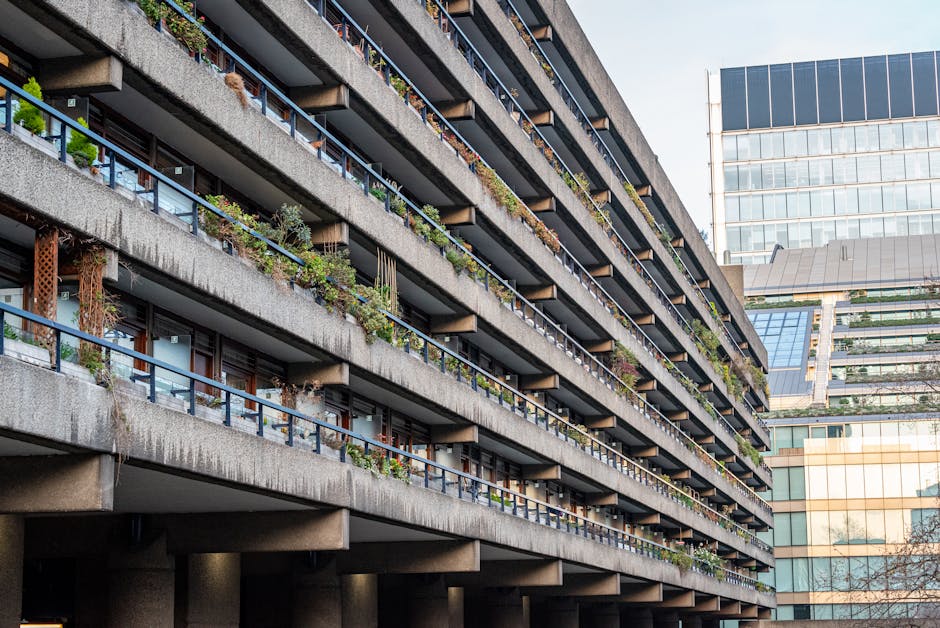
Barbican gardeners guide to Golden Lane Estate courtyards
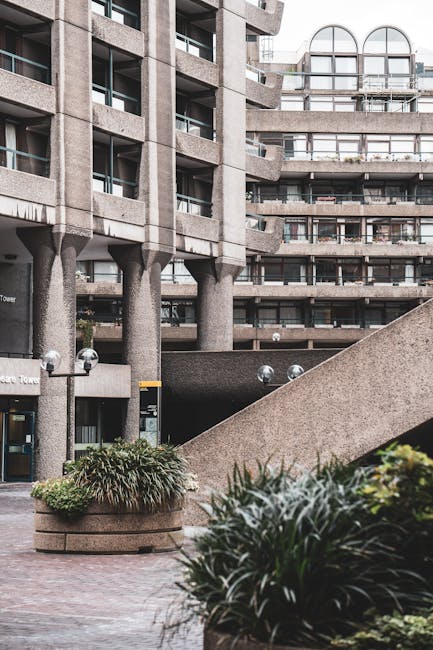
If you care for a courtyard in or around the Barbican, you already know it is not a normal garden. The light is different, the wind behaves oddly between the blocks, and the planting has to work hard without looking fussy. This Barbican gardeners guide to Golden Lane Estate courtyards brings together the practical side of courtyard care: what makes these spaces distinctive, how to maintain them properly, and where professional help can make life easier.
Golden Lane Estate courtyards reward careful, steady attention. They can look calm and elegant one week, then suddenly feel tired after a wet spell, a dry spell, or a few missed visits. Truth be told, that is usually where good maintenance shows its value. The aim here is simple: help you keep these shared spaces healthy, tidy, and welcoming without losing the character that makes them special.
Why Barbican gardeners guide to Golden Lane Estate courtyards Matters
Courtyard planting in a dense London estate is about much more than keeping things green. These spaces often sit at the heart of daily life: they frame entrances, soften hard architecture, and give residents somewhere to look out on that feels alive rather than purely functional. When they are well maintained, the whole estate feels calmer and more cared for. When they are neglected, people notice quickly. Very quickly.
Golden Lane Estate courtyards also face specific pressures. Shaded corners can stay damp for long periods. Narrow access routes make movement awkward. Some areas may be exposed to gusty wind funnels between buildings, while others are protected but not well lit. That combination matters because plants respond to it. So do maintenance routines.
In our experience, the best courtyard care starts with respect for the setting. These are not suburban lawns with plenty of room to spread out. They are compact, shared, architectural spaces where every cut, plant choice, and tidy-up has a visual effect. Get it right and the courtyard feels balanced. Get it wrong and even a small mess looks bigger than it is.
Key takeaway: Golden Lane courtyards work best when maintenance is light, regular, and tailored to shade, airflow, access, and shared-use patterns rather than treated like a standard private garden.
If you are comparing service levels or thinking about a broader maintenance plan, it can help to look at the wider services overview and the company's approach to garden maintenance. That gives a useful sense of what ongoing care can include, from routine tidying to plant health checks.
How Barbican gardeners guide to Golden Lane Estate courtyards Works
The guiding principle is straightforward: observe first, then intervene carefully. Courtyard maintenance is usually planned around a few repeating tasks, but the timing and intensity should reflect the site rather than a generic schedule. A professional gardener will typically look at sunlight, drainage, soil condition, access, planting structure, and how residents use the space.
For a courtyard, this often means a mix of light pruning, weed control, leaf clearance, watering decisions, edging, soil improvement, and selective replanting. Sometimes the most useful work is invisible at first glance. A slightly better drainage approach, a cleaner bed edge, or a healthier root zone can change how the whole space looks by the next month. It is not glamorous. It works.
Golden Lane Estate courtyards often benefit from a layered maintenance rhythm:
- Weekly or fortnightly visual checks for litter, fallen leaves, broken stems, and watering needs.
- Seasonal maintenance such as pruning, mulching, and soil refreshment.
- Occasional corrective work like clearance, reshaping, or replacing struggling plants.
- Longer-term planning for structure, biodiversity, and low-maintenance resilience.
The trick is not to overwork the courtyard. A common mistake is trying to make a compact space do too much. People add too many species, too many ornaments, or too much ground cover, then wonder why the area feels cluttered six months later. Keep the framework clear and let the planting breathe.
Key Benefits and Practical Advantages
Courtyard maintenance is one of those jobs that pays off in multiple ways at once. The visible benefit is obvious: cleaner, sharper, greener surroundings. But the practical advantages go beyond appearance. Good maintenance supports plant health, reduces trip hazards, keeps communal spaces more pleasant, and lowers the risk of small problems becoming expensive ones.
For residents and building managers, the benefits usually include:
- Better first impressions for visitors, residents, and delivery teams.
- Healthier planting through consistent care, appropriate pruning, and improved soil conditions.
- Less disruption because small jobs stay small.
- Improved usability in shared spaces that need to feel clean and approachable.
- Lower long-term costs compared with reactive rescue work.
There is also a more subtle benefit: confidence. When a courtyard is looked after regularly, people tend to use it better. They are more likely to respect the space, less likely to dump rubbish in corners, and more likely to see it as part of the home environment rather than a forgotten leftover strip of land. That sounds soft, but it matters.
If the courtyard is currently overgrown or has been left too long between visits, a focused garden clearance can be a sensible reset before maintenance becomes routine again.
Who This Is For and When It Makes Sense
This guide is useful if you are a resident, freeholder, managing agent, housing committee member, or caretaker responsible for a courtyard in the Barbican or Golden Lane area. It also helps if you are reviewing a maintenance provider and want to know whether they actually understand the space they are stepping into.
It makes sense to prioritise courtyard care when:
- plants are becoming leggy, patchy, or uneven;
- the space feels cluttered after windblown debris or leaf fall;
- shared access routes need to stay clear;
- you want to reduce reactive callouts;
- the courtyard is used as part of the building's identity or resident amenity;
- you need a practical plan that works through changing seasons.
Sometimes people wait until the courtyard looks obviously bad. Fair enough, budgets are real. But with shared estate spaces, prevention is usually easier than recovery. A few hours of steady maintenance can save a lot of awkward conversations later. And yes, courtyard plants have a way of sulking if you ignore them.
If you are trying to understand what sort of help is available, the about us page is a sensible place to start because it gives context around how a local maintenance team works in practice.
Step-by-Step Guidance
A good courtyard maintenance plan does not need to be complicated. It needs to be realistic. Below is a practical sequence that works well in most communal garden settings, especially those with limited access and mixed shade.
- Walk the space properly. Look at the courtyard from several angles, not just the obvious entrance. Check for blocked corners, overhangs, water pooling, and plants that are crowding paths.
- Identify what is structural and what is seasonal. Trees, shrubs, evergreen framework, and fixed hard landscaping form the backbone. Seasonal colour and annual tidy-ups sit on top of that.
- Clear the obvious clutter. Remove litter, windblown leaves, dead stems, and spent material. This instantly improves airflow and reduces disease pressure.
- Assess plant health. Look for yellowing leaves, sparse growth, pest damage, or branch dieback. One troubled plant can drag the whole composition down a bit.
- Prune with restraint. In compact courtyards, heavy pruning can create bare patches and expose unattractive stems. The goal is shape and balance, not brute force.
- Refresh the soil surface. Mulch where appropriate, top up poor areas, and remove compacted debris that prevents water movement.
- Review watering needs. Courtyards can be tricky: some areas get wind-dried, while others stay cool and damp. Water according to what the plants need, not by habit.
- Replant only where necessary. Replace failed plants with species that genuinely suit the site. Choose for shade tolerance, wind tolerance, and manageable growth.
- Finish with an edge and detail check. Neat borders, clean paving lines, and tidy container groups make the entire area feel cared for.
- Set the next visit before you leave. Courtyards are much easier to manage when the routine is locked in.
A small real-world observation: the difference between a courtyard that feels "fine" and one that feels genuinely well kept is often just three things - clear edges, healthy foliage, and no visible mess in the corners. Not fancy. Just consistent.
Expert Tips for Better Results
People often assume courtyard gardening is all about planting. It is not. Planting matters, of course, but in spaces like these the maintenance strategy matters just as much. If you want better results, start with the conditions, then choose the plants, then choose the schedule.
- Choose resilient plants first. In mixed-light courtyards, reliability beats novelty. Plants that cope with shade, reflected heat, and occasional neglect usually win out in the long run.
- Use repetition carefully. A repeated planting palette creates calm and makes maintenance simpler. Too much variety can make a small courtyard feel busy and harder to care for.
- Think in layers. Ground layer, mid layer, canopy layer. That structure helps the space look composed even in winter.
- Keep pruning records. It sounds a bit nerdy, but it helps. If you know when a shrub was last shaped, you avoid overcutting or letting it get away from you.
- Respect access constraints. In estate courtyards, movement of tools and waste may need planning. Nothing ruins a tidy job like leaving bags in a passageway.
- Leave room for the building. Courtyards should complement the architecture, not compete with it.
One small but useful habit is to inspect the courtyard after rain. Not during it, after it. That is when you see where water sits, where the drainage underperforms, and where plantings are not coping. A damp Tuesday morning can tell you more than a sunny site visit ever will.
For residents who want a wider project view, landscape gardening and landscaping services can support more substantial changes, while smaller recurring tasks stay within a maintenance programme.
Common Mistakes to Avoid
Most courtyard problems do not begin as dramatic failures. They begin as small oversights that keep repeating. The good news? Once you know the patterns, they are easy enough to avoid.
- Overplanting the space. Too many plants create shade battles, poor airflow, and constant crowding.
- Ignoring access. If tools, bins, and waste cannot move cleanly through the site, the maintenance itself becomes messy.
- Pruning too hard, too often. Bare stems and stressed shrubs are very hard to disguise in a courtyard.
- Choosing plants for looks alone. A plant that looks lovely in a catalogue may be a nuisance in a shaded, windy estate setting.
- Delaying clearance work. Once dead material and debris build up, routine care gets harder and less pleasant.
- Assuming all corners get the same conditions. One side may be dry and bright while another stays cool and damp.
Let's face it, courtyards are good at hiding trouble right up until they are not. A plant with a problem in a tucked-away corner can go unnoticed for weeks. That is why visual checks matter so much.
If hedges or taller boundary planting are part of the space, targeted hedge trimming may be needed to keep light, shape, and access under control. And if the trouble is more serious than routine trimming, tree lopping and removal should only be considered with proper care and a clear understanding of the site impact.
Tools, Resources and Recommendations
You do not need a truck full of equipment to maintain a courtyard properly. In many cases, a compact, well-chosen kit is better than a big one. The point is to be neat, safe, and efficient in a constrained environment.
| Tool or resource | Best use | Why it helps in a courtyard |
|---|---|---|
| Hand pruners and secateurs | Light shaping and deadheading | Controlled cutting in tight planting beds |
| Small rake and hand fork | Leaf clearance and surface soil work | Easier to use around paving and containers |
| Wheelbarrow or carry tubs | Waste movement | Useful where access routes are narrow |
| Lightweight watering equipment | Targeted irrigation | Prevents overwatering and spill hazards |
| Mulch or soil conditioner | Moisture retention and soil improvement | Supports plant health in exposed or tired beds |
| Routine maintenance plan | Scheduling visits | Keeps work consistent instead of reactive |
If the courtyard needs a bigger reset before routine care starts, a planned garden clearance can remove bulky material and open up the site for better decisions. For recurring upkeep, lawn mowing may be relevant where any grassed sections or communal edges are present, though many Golden Lane-style courtyards are more about planting beds and hardscape than wide lawns.
For budgeting, the pricing and quotes page is the sensible place to review how work is approached commercially. Not every courtyard needs the same level of input, and a tailored quote is usually more realistic than a one-size-fits-all assumption.
Law, Compliance, Standards, or Best Practice
Courtyard gardening in communal residential settings is not just a visual exercise. There are safety, access, and responsibility considerations too. While the exact obligations depend on the property setup and the scope of work, best practice in London generally includes keeping routes clear, managing waste responsibly, and working with appropriate insurance and risk controls.
A few points are worth keeping in mind:
- Health and safety matters. Tools, uneven surfaces, wet paving, and shared access all introduce risk. Reasonable precautions are part of the job, not an extra.
- Insurance should be in place. Anyone working on communal property should be able to explain their cover clearly. If that conversation feels vague, be cautious.
- Waste handling should be tidy and lawful. Green waste, packaging, and removed material need a proper plan.
- Access and inclusion matter. Courtyards should remain usable, and maintenance should not block entrances or create avoidable barriers.
- Resident communication helps. A short notice before pruning or clearance can prevent confusion and complaints.
If you want reassurance about operational standards, the site's health and safety policy and insurance and safety information are worth reviewing. Responsible maintenance should also align with environmentally sensible habits, so the recycling and sustainability page is relevant if your goal is to manage green waste thoughtfully.
One more practical note: if any tree-related work is needed, it should be assessed carefully rather than guessed at from ground level. A courtyard is not the place for casual cutting decisions. That is how disputes start.
Options, Methods, or Comparison Table
There is more than one way to manage estate courtyards. The right approach depends on budget, plant type, resident expectations, and how much seasonal change the space can tolerate.
| Approach | Best for | Pros | Trade-offs |
|---|---|---|---|
| Reactive tidy-ups | Very low-maintenance sites or emergency resets | Simple to organise in the short term | Problems build up between visits; usually looks inconsistent |
| Scheduled routine maintenance | Most Golden Lane Estate courtyards | Balanced appearance, easier plant health management, more predictable costs | Needs regular commitment |
| Seasonal deep maintenance | Sites with established planting but limited weekly pressure | Good for pruning, soil improvement, and rebalancing | Less effective if minor issues are ignored for too long |
| Redesign plus maintenance | Courtyards that feel tired, cluttered, or structurally weak | Best long-term improvement potential | Higher upfront effort; needs a clear plan |
In many cases, the strongest choice is a hybrid: a one-off reset, followed by regular maintenance and periodic review. That keeps the space looking settled rather than constantly starting over. Which, frankly, is what most residents want.
Case Study or Real-World Example
Imagine a small internal courtyard with a mix of shrubs, a few containers, and paved access across the centre. For months it has been getting light attention only. The result is familiar: leaves caught in corners, some shrubs shading each other, a patch of bare soil that turns to mud after rain, and one or two plants leaning hard towards the light.
The first visit is not about making it perfect. It is about restoring order. A gardener clears debris, removes dead growth, trims back overextended shoots, checks which plants are struggling with shade, and opens the edges so the courtyard breathes again. A mulch layer goes in. Watering is adjusted. A couple of overcrowded plants are lifted and replaced later with more suitable species.
A month later, the space feels different. Not transformed into something artificial. Just calmer. You can hear footsteps on the paving more clearly because the courtyard no longer feels overstuffed with foliage. The planting still belongs there, but it is no longer fighting the architecture.
That is the real goal in places like Golden Lane. Not a show garden. A good communal courtyard. There is a difference.
Practical Checklist
Use this checklist before and after each maintenance visit. It keeps the work focused and makes it easier to spot what has changed.
- Check access routes are clear.
- Remove litter, fallen leaves, and loose debris.
- Inspect for dead, damaged, or diseased growth.
- Look for water pooling or compacted soil.
- Trim back growth that blocks light or crowds pathways.
- Confirm containers and borders are stable.
- Refresh mulch or surface dressing where needed.
- Water only where the conditions genuinely call for it.
- Note anything that needs a follow-up visit.
- Keep waste bagged and removed promptly.
Short expert reminder: if a courtyard has looked neglected for a while, start with clarity before beauty. Once the structure is visible again, the rest becomes much easier.
Conclusion
Golden Lane Estate courtyards ask for a different kind of gardening. They need restraint, consistency, and an eye for the relationship between planting and architecture. The best results usually come from regular maintenance, careful plant choices, and a willingness to tidy before things become a problem. Not flashy. Just thoughtful.
If you are responsible for a courtyard in this part of London, the smartest move is often to work from a simple plan: keep access clear, support healthy planting, and build in seasonal reviews so the space never gets away from you. That approach protects both appearance and practicality, and it tends to make everyone's day a little easier.
Get a free quote today and see how much you can save.
And if you want to explore the wider team behind the service, the about us page and contact us page are the next sensible stops.
Frequently Asked Questions
What makes Golden Lane Estate courtyards different from a normal garden?
They are more enclosed, more shared, and usually more tightly tied to the surrounding architecture. That means maintenance has to account for access, light levels, and how the space is used by residents, not just plant growth.
How often should a Barbican courtyard be maintained?
Most courtyards do best with regular light visits rather than occasional heavy intervention. Weekly or fortnightly checks can work well, with seasonal pruning and occasional deeper work as needed.
What are the biggest problems in courtyard planting?
Shade, poor airflow, compacted soil, awkward access, and overplanting are the usual culprits. Wind funnels and uneven moisture can also create patchy growth if the planting scheme is not suited to the site.
Can a courtyard be low-maintenance and still look good?
Yes, absolutely. In fact, that is usually the best outcome. A restrained planting palette, sensible pruning, and good soil care often create a better result than a space full of high-maintenance plants.
Do courtyard plants need special species choices?
They often do. Shade tolerance, wind tolerance, root behaviour, and mature size all matter more in a compact estate setting than they might in a larger garden.
What should I do if the courtyard has become overgrown?
Start with a clear-out rather than trying to reshape everything at once. A professional garden clearance can reset the space, after which a routine plan can keep it under control.
Is hedge trimming enough for boundary growth?
Sometimes, but not always. If the boundary planting is light and manageable, trimming may be enough. If it includes taller or more complex growth, a broader maintenance approach may be needed.
What if parts of the courtyard stay damp?
That usually points to shade, airflow, drainage, or soil compaction. The answer is rarely to water more. It is more often a case of improving conditions and choosing plants that tolerate damp shade.
How do I compare maintenance options for an estate courtyard?
Look at the expected frequency, the level of intervention, the plant mix, access constraints, and whether the provider understands communal spaces. The services overview can help you compare what is typically included.
What should I ask before booking courtyard maintenance?
Ask how the work will be scheduled, what happens to green waste, how access will be managed, whether insurance is in place, and how they handle safety in shared areas. Clear answers matter more than polished sales talk.
Can courtyard maintenance be done quietly and with minimal disruption?
Usually, yes. Good planning helps a lot. Smaller tools, tidy waste handling, and careful timing reduce noise and disturbance, which is especially important in residential settings.
How do I know if the courtyard needs redesign rather than maintenance?
If the same problems keep returning - poor layout, constant plant failure, or awkward circulation - then the issue may be structural rather than horticultural. In that case, a more considered landscaping review may be worth discussing.
Where can I learn more about payments, sustainability, and safety?
Useful supporting information is available on the site's payment and security, recycling and sustainability, and insurance and safety pages.